Project
Public Bike Sharing
May 9, 2021
- Identified a gap in the literature and set a project objective with high relevance
- Collected publicly available data on bike-sharing systems, then cleaned and prepared it
- Conducted an initial exploratory analysis and prepared the data for cluster analysis
- Used k-means clustering to group stations by bike usage
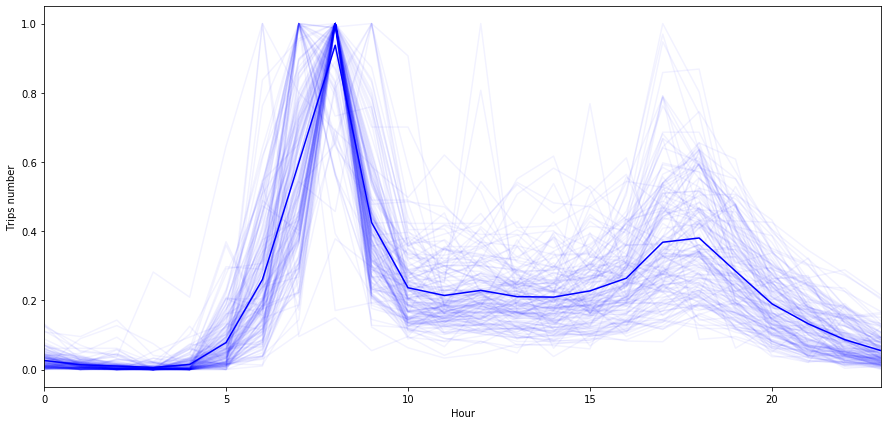
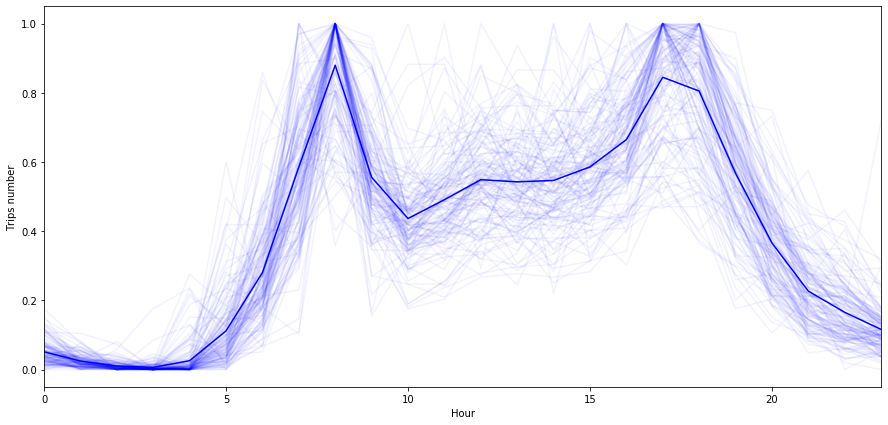
- Found three clusters: stations near living areas, work areas, and both
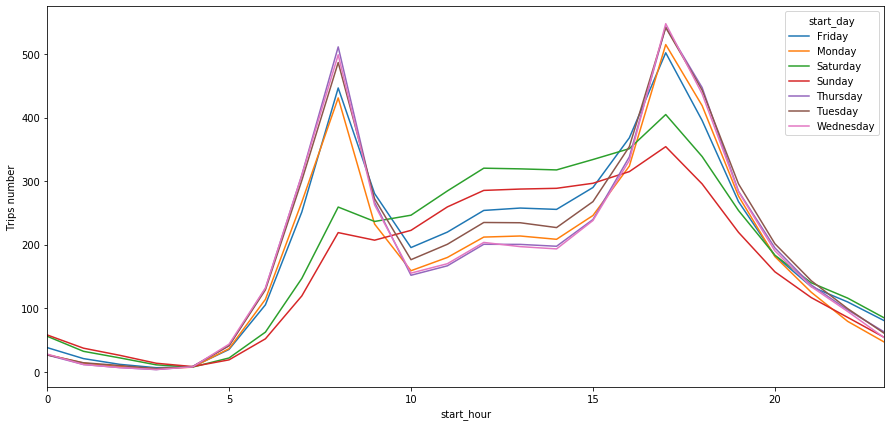
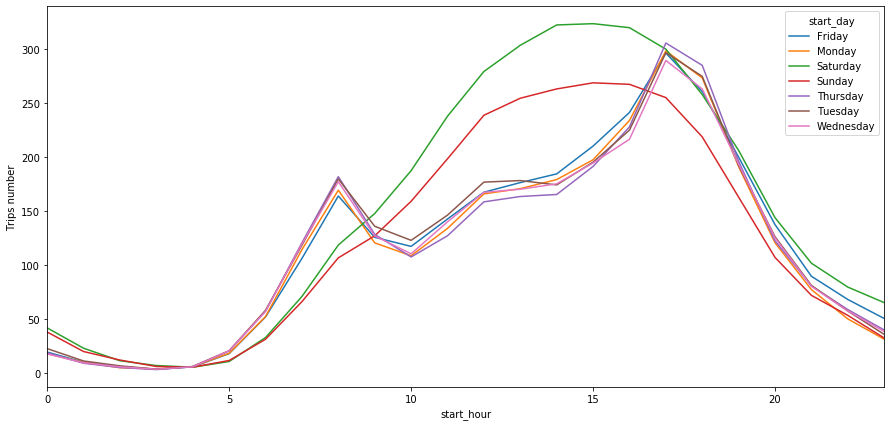
Overall hourly bike usage was lower in 2020 than in 2019. However, including every station has one major problem: some stations are used far less than popular ones (rural versus populated areas, for example). To overcome this, the data was normalised and k-means clustering was used to form three clusters. The clustering worked well and the clusters are clearly separated. One insight: during Covid-19 (2020), stations near living areas saw an overall increase in hourly trips at different times of day compared with 2019.